Start with the space you have
Clear a stable table or a safe patch of floor before choosing the activity. Keep walkways free and use a tray or container for loose pieces. A small home does not need a large game collection; one activity that fits the available space can be enough.
Check small-parts warnings, especially when younger children are nearby. Keep magnets and small game pieces away from children who might put them in their mouths. Adult supervision does not replace the product's age restrictions.
Mix independent play with shared play
A puzzle gives someone an activity to return to at their own pace. A shared card or board game adds conversation and turns. Offer a choice between the two instead of expecting one activity to keep everyone interested all afternoon.
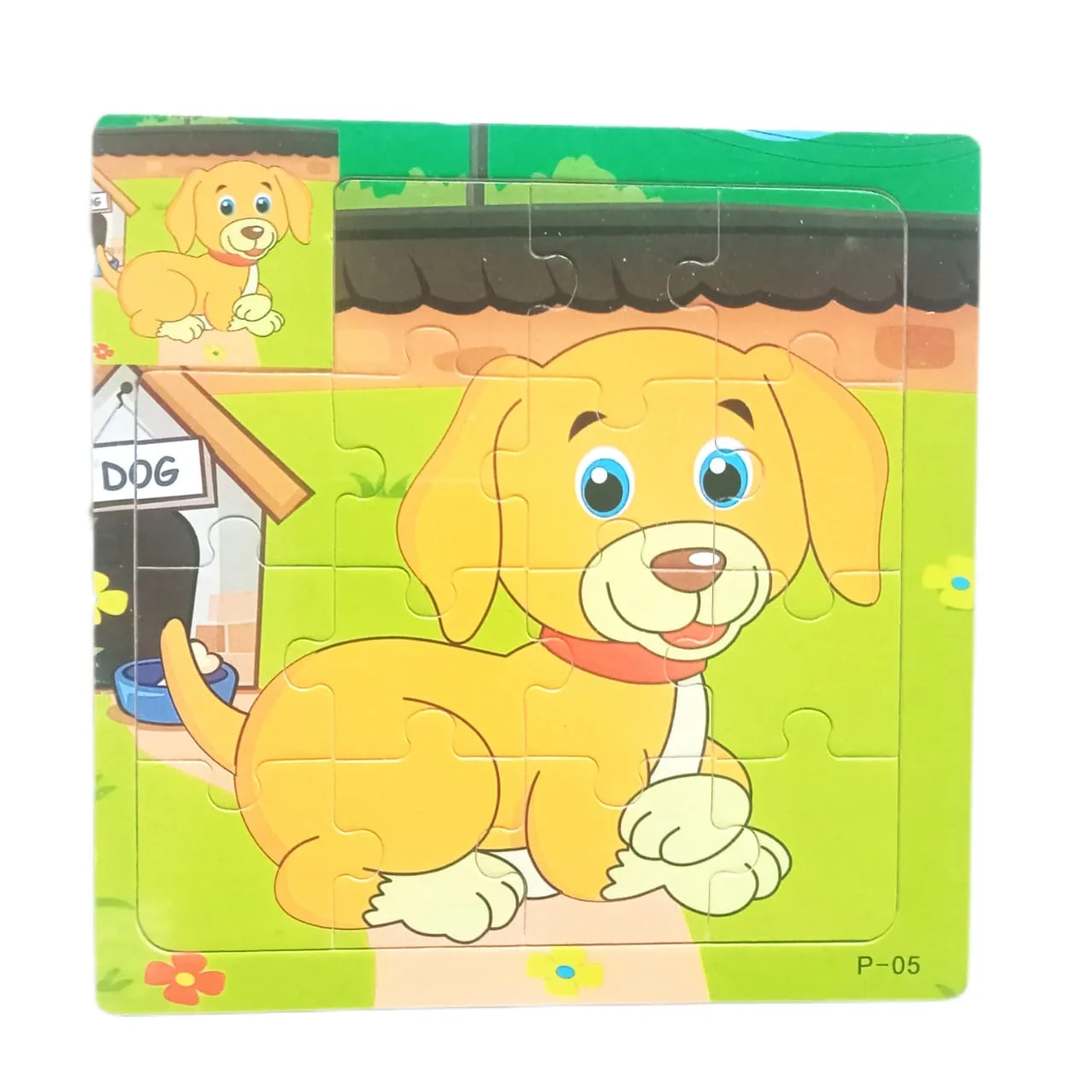
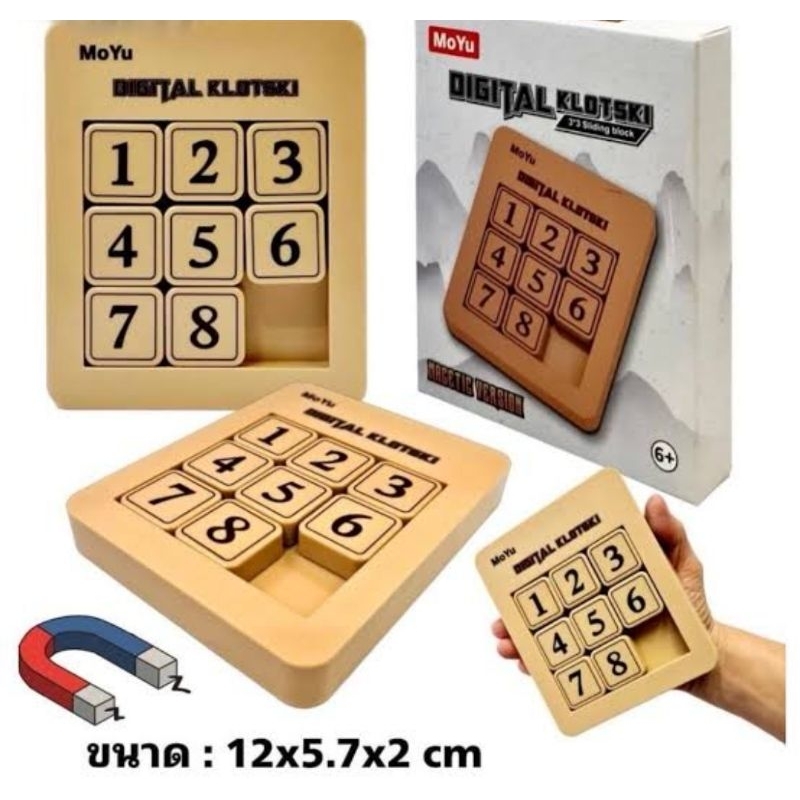
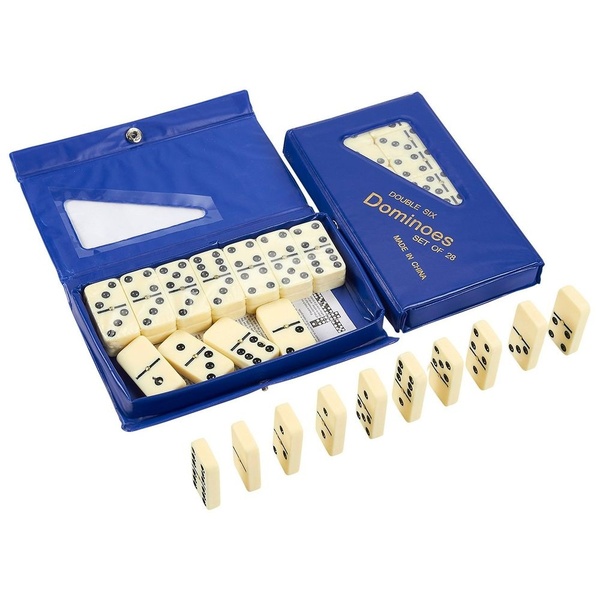
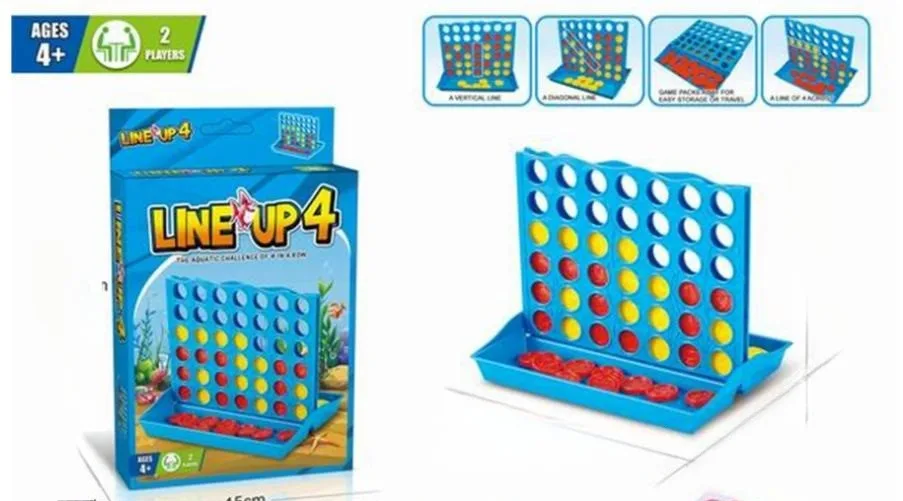
ZinZen's catalogue includes wood puzzles, a magnetic number slide puzzle, dominoes and Line up 4. These formats suit different preferences and spaces. The links below are examples to investigate, not a claim that every item fits every age group.
Keep the session flexible
Use a practice round if the rules are unfamiliar. Let a shared puzzle be cooperative rather than timed, and pause when someone is tired or frustrated. The aim is an activity people enjoy, not a test of performance.
You can add no-purchase activities too: drawing on paper, telling a story together or sorting an existing set of safe household materials. Choose materials appropriate to the participants; games bought from a shop are only one part of a screen-free afternoon.
How do you choose something to buy?
Choose a product that fills a gap in the activities you already have. Compare the listed contents, dimensions if supplied and storage needs. Ask the Store team about any unclear details rather than assuming a photograph proves the size or age suitability.
We do not promise that a particular toy improves development or replaces educational support. This is a practical activity guide. Use the current product listing, packaging and instructions when deciding whether an item is appropriate.
Compare your options
| Activity | Setup | Useful approach |
|---|---|---|
| Puzzle | Clear surface and a place for pieces | Work at your own pace |
| Card game | Small shared surface | Learn one practice round together |
| Tabletop game | Enough space for the complete set | Take turns and allow pauses |
Questions before you choose
Do we need to buy a game for a screen-free afternoon?
No. Drawing, storytelling and activities using suitable supplies you already own can also work.
Should every activity be competitive?
No. A shared puzzle or practice round can be cooperative. Choose the approach that suits the people playing.
How do I check whether a product is safe for a child?
Read the manufacturer's age label and warnings for the exact item. If these are unclear, ask for confirmation before ordering.